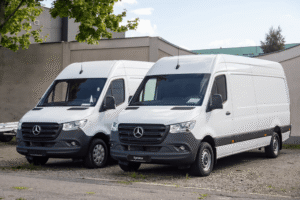
As temperatures start to drop across Racine, WI, fleet operators running Ford Transit and Sprinter vans have a narrow window to get ahead of winter before it hits. Fall preventative maintenance for fleets isn’t just about avoiding breakdowns; it’s about protecting your delivery schedules, your drivers, and your bottom line. Durand Automotive put together this guide to help local business owners understand exactly what a seasonal fleet inspection should cover before the first frost arrives.
Why Fall Inspections Matter for Racine Commercial Fleets
Commercial vans work harder than the average passenger vehicle. Between frequent stops, longer idle times, and heavier loads, Ford Transit and Sprinter vans put extra strain on braking systems, tires, and fluids all year long. Add in Wisconsin’s shift from warm afternoons to freezing overnight temperatures, and small issues that seemed minor in August can turn into costly downtime by November.
A fall inspection gives you a chance to catch problems while your fleet is still on a predictable schedule, rather than scrambling for repairs during the first snowstorm. Some of the biggest reasons fall preventative maintenance matters for fleets include:
- Cold temperatures make rubber components (belts, hoses, tires) more brittle and prone to cracking
- Battery performance drops significantly as temperatures fall, and a weak battery that survived summer may not survive winter
- Road salt and moisture accelerate corrosion on brake lines and undercarriage components
- Reduced daylight and wet roads increase the importance of properly functioning brakes and lighting
Brake System Checks Before Winter Driving
Braking distances increase on wet and icy roads, which makes a thorough brake inspection one of the most important parts of any fall fleet inspection.
Pad and Rotor Wear
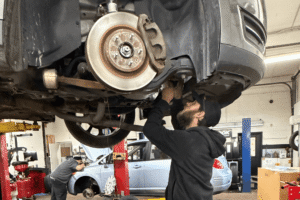
Fleet vans typically see more stop-and-go driving than personal vehicles, which wears down brake pads faster. A technician should measure remaining pad thickness and check rotors for scoring, warping, or uneven wear. If rotors need attention, the shop should turn or replace them based on their measured thickness and condition.
Brake Fluid and Lines
Brake fluid absorbs moisture over time, which can lower its boiling point and reduce braking performance in cold weather. A fall inspection should include a check of fluid condition along with a visual inspection of brake lines for corrosion or damage, especially on vans that have already been through a Wisconsin winter or two.
Cooling System and Battery Readiness
Cold starts and temperature swings put real stress on a van’s cooling system and electrical components, both of which are worth reviewing before winter sets in.
Coolant Condition
Coolant needs to be at the correct concentration to protect against freezing, and old coolant can lose its protective properties over time. Checking coolant condition and concentration during a fall inspection helps prevent freeze-related damage to the engine block and radiator.
Battery Load Testing
A battery that starts the van reliably in September can struggle once temperatures drop into the 30s and 20s. A load test measures how well the battery holds up under real starting demands, giving you a clear picture of whether it needs replacement before winter rather than finding out on a cold morning with a van full of cargo.
Tire Condition and Traction for Winter Roads
Tires are one of the most overlooked items on a fall fleet checklist, yet they have a direct impact on safety and downtime. Before winter arrives, it’s worth reviewing:
- Tread depth across all tires, since worn tread reduces traction on wet or icy pavement
- Tire pressure, which naturally drops as temperatures fall and can trigger warning lights or uneven wear
- Sidewall condition, checking for cracking, bulges, or damage from curbs and potholes
- Spare tire condition and inflation, especially for vans that carry one for emergency use
- Alignment, since vans that pull to one side or show uneven tread wear may need adjustment before winter driving begins
Ford Transit and Sprinter Specific Maintenance Points
While the general fall checklist applies to most commercial vans, Ford Transit and Sprinter vans each have some maintenance points worth flagging separately.
Ford Transit Service Considerations
Transit vans running frequent local delivery and service routes rack up extra engine hours relative to their mileage, which can accelerate wear on serpentine belts and put added stress on engine mounts from repeated acceleration and braking. Oil quality and filter condition are also worth reviewing, particularly for vans logging high mileage across Racine and Kenosha routes.
Sprinter Van Service Considerations
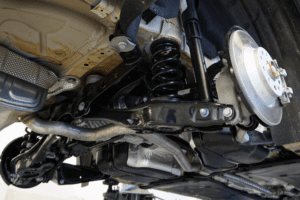
Many Sprinter vans run on diesel engines, which means fall maintenance should include a check of the diesel exhaust fluid (DEF) system and fuel filters, along with glow plug function, since these components play a bigger role in cold-weather starting reliability. Sprinter vans also tend to carry heavier loads, so suspension components deserve a closer look heading into winter.
If you’re noticing a rougher ride or uneven handling on any van in your fleet, our suspension health checklist walks through common warning signs worth watching for, and our team can take a closer look before winter driving adds extra strain.
Building a Fall Fleet Maintenance Checklist for Racine Fleets
Putting all of this together, a solid fall preventative maintenance checklist for Ford Transit and Sprinter fleets should include:
- Battery load test
- Tire tread, pressure, and alignment review
- Belt and hose inspection for cracking or wear
- Diesel fuel filter and DEF system check (Sprinter vans)
- Lighting check, including headlights, taillights, and turn signals
If you manage multiple vans, scheduling this kind of seasonal fleet inspection for your whole fleet at once helps minimize how many vehicles are off the road at any given time.
Durand Automotive, located at 1623 Durand Ave., Racine, Wisconsin 53403, can be reached at (262) 632-2625 to talk through scheduling options that fit around your routes and delivery windows.
Why Choose Durand Automotive
Durand Automotive has built its reputation on being on a first-name basis with the people who depend on us, and that includes the business owners and fleet managers who keep Racine and Kenosha moving every day. We know a van sitting in a service bay means lost revenue, so we focus on getting fleet vehicles inspected, serviced, and back on the road with as little disruption as possible.
- NAPA AutoCare Center: As a NAPA AutoCare Center, we back our work with a 24-month/24,000-mile nationwide warranty, plus a dedicated 1-year/12,000-mile fleet warranty for commercial customers.
- ASE Master Technician on Staff: Owner is an ASE Master Technician and L1 Certified ASE Technician, bringing advanced training to complex fleet inspections and repairs.
- Advanced Testing Equipment: We use tools like the Hunter HawkEye Elite alignment system to inspect and test vans for winter-ready handling and braking performance.
- Local Shuttle Service: Our shuttle service helps keep your drivers moving even while a van is in for service.
- 24/7 Online Scheduling: You can schedule fleet inspections whenever it’s convenient for your operation, without waiting on a phone call.
We’ve spent years earning the trust of local families and businesses, and we’d be glad to be the shop your fleet counts on this fall.
FAQs About Fall Preventative Maintenance for Fleets
How do I prepare fleet vans for fall weather?
Start with a full inspection covering brakes, battery, coolant, tires, and belts, since these are the components most affected by dropping temperatures. Our team at Durand Automotive can walk through each item and let you know what needs attention before winter arrives.
What maintenance reduces downtime before winter?
Catching worn brake components, weak batteries, and low tread depth early prevents unplanned breakdowns once cold weather sets in. Durand Automotive focuses on identifying these issues during a single fall visit so your vans stay on schedule.
Where can I service Ford Transit fleets in Racine, WI?
Durand Automotive services Ford Transit vans for local businesses throughout Racine and the surrounding area. Our shop is equipped to handle fleet-scale inspections and repairs so you can service multiple vans without juggling several appointments.
Do Sprinter vans need seasonal inspections?
Yes, Sprinter vans benefit from seasonal inspections, especially around the diesel fuel system, DEF, and suspension components that support heavier loads. We check these areas closely at Durand Automotive as part of a fall service visit.
Can preventative maintenance lower fleet repair costs?
Regular preventative maintenance helps catch small issues, like worn brake pads or aging coolant, before they turn into larger, more expensive repairs. At Durand Automotive, we build fleet maintenance around this kind of early detection to help keep long-term repair costs manageable.
Get Your Fleet Ready with Fall Preventative Maintenance in Racine, WI at Durand Automotive
Don’t wait for the first cold snap to find out what your fleet needs. Contact Durand Automotive at 1623 Durand Ave., Racine, Wisconsin 53403, or call (262) 632-2625 to schedule fall preventative maintenance for your Ford Transit or Sprinter vans and head into winter with confidence.
Recent Blogs: